Patio and Paver Cleaning in Gresham, OR
Getting the Green Out of the Joints
A paver patio and a poured concrete slab look like the same cleaning job and are not. Pavers are held in position by the sand in the joints between them and by the bedding layer underneath. Point a narrow, high-pressure tip into those joints and the sand comes out, which is exactly what a lot of homeowners around here have already had done to them. The patio looks superb for a fortnight, then the pavers start to rock and shift, weeds come through the empty joints faster than they did before, and the edges begin to spread. We clean pavers with a surface cleaner that spreads the pressure across a wide path rather than concentrating it in a line, so the growth comes off the faces and the top of the joints without excavating them. Where joint sand has already been lost, whether from a previous cleaning or just from years of rain, the job includes refilling and locking the joints afterward. That is the part that determines whether the patio holds up. Flagstone and natural stone need lower pressure again, since the surface of the stone itself can be soft and some of the growth is embedded rather than sitting on top. In a climate this wet, joints are where the moss establishes first, and a patio with clean faces and green joints will be entirely green again within the season.
We check the joints before starting and tell you at that point whether the patio needs refilling afterward, because that changes the quote and you should know before rather than after. The clean itself runs face and joint together, then the surface dries, then the sand goes back in and gets locked. On flagstone and older stone we test an out-of-the-way section first to confirm what the surface will take. You get photos of the joints as found, which is worth having if a previous contractor blew them out.
What's Included in our Patio and Paver Cleaning service?
Joint and Bedding Check
Determines how much joint sand is left before any pressure touches the pavers.
Surface Clean and Growth Removal
Lifts moss and algae off the paver faces and out of the joints together.
Joint Sand Replacement
Refills and locks the joints so the pavers stay tight after cleaning.
Proudly serving Gresham, Troutdale, Fairview, Wood Village, Happy Valley and Damascus for years.
Comprehensive Pressure Washing Services in Gresham
Tailored to Your Needs
Every job starts with one question: what can this surface take. Concrete, pavers and stone handle direct pressure and clean up fast with a surface cleaner. Siding, roofing, painted trim and older wood take a low-pressure application instead. Most properties need both methods in different places, which is why we quote by surface.
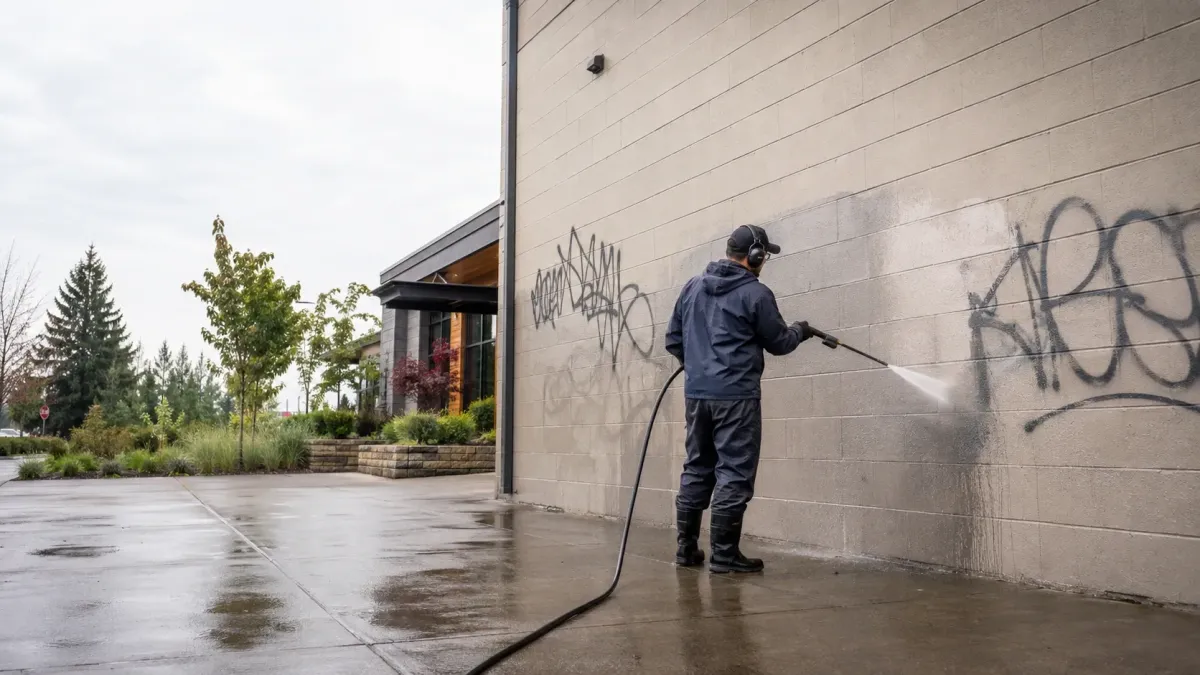
Tag removal matched to the substrate so the wall does not end up two-toned.
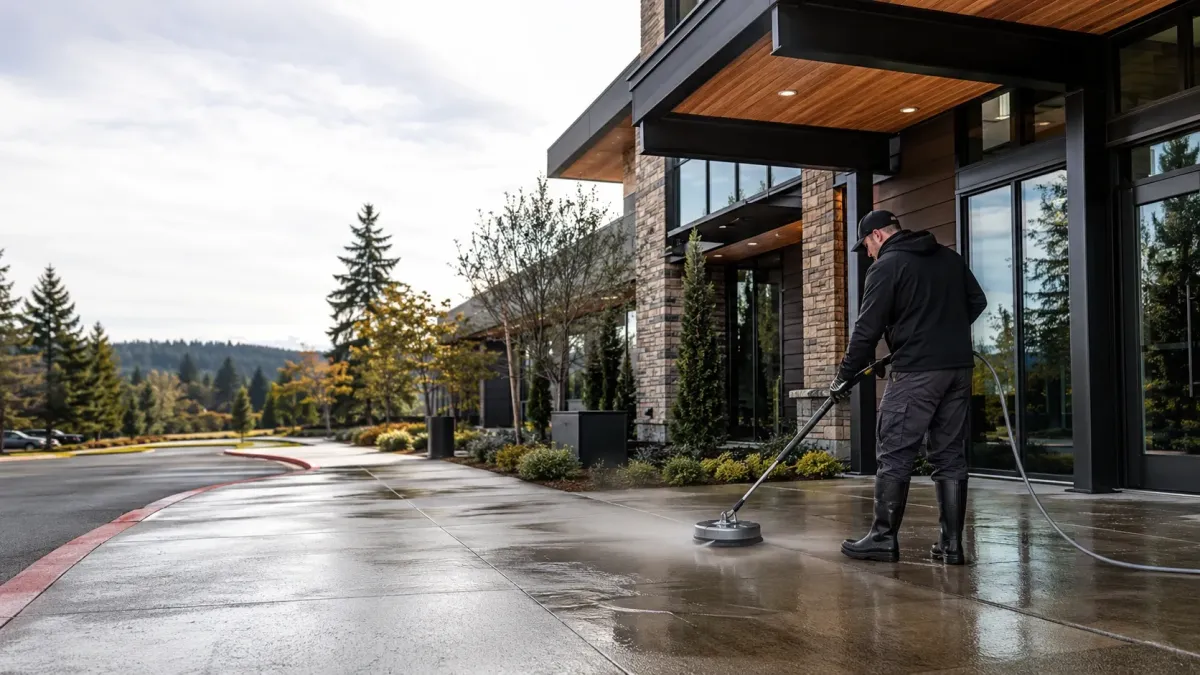
Scheduled exterior cleaning for commercial property, worked around your trading hours.
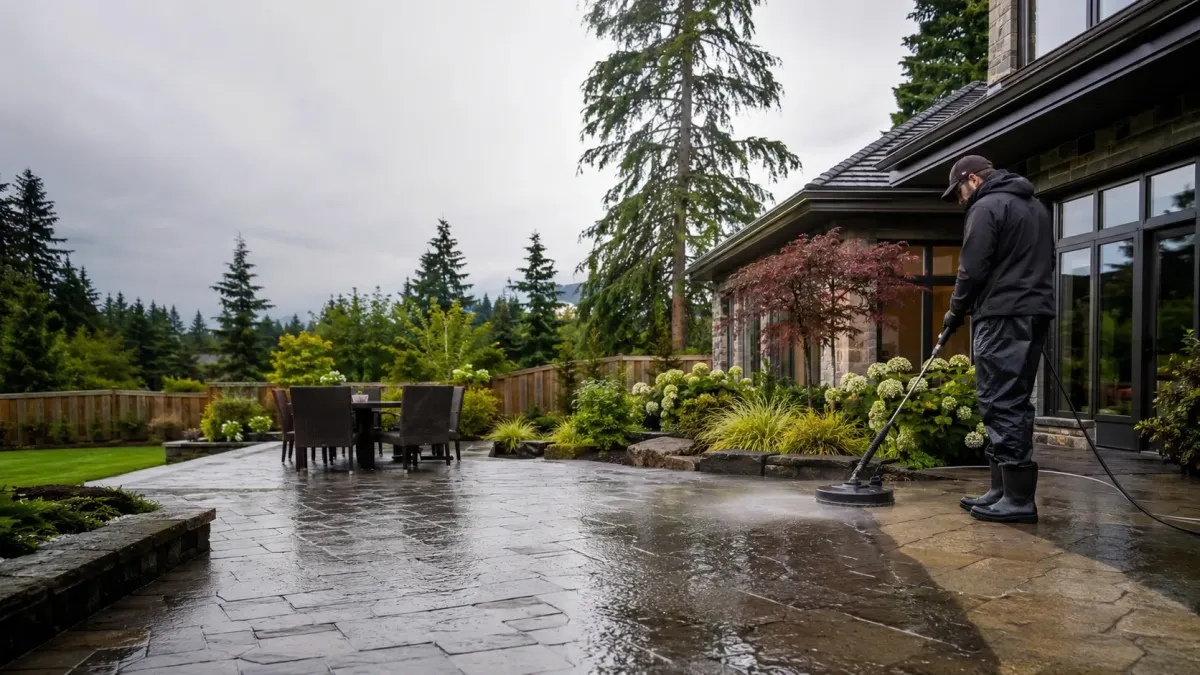
Paver and patio cleaning that clears the joints without washing the bedding out.
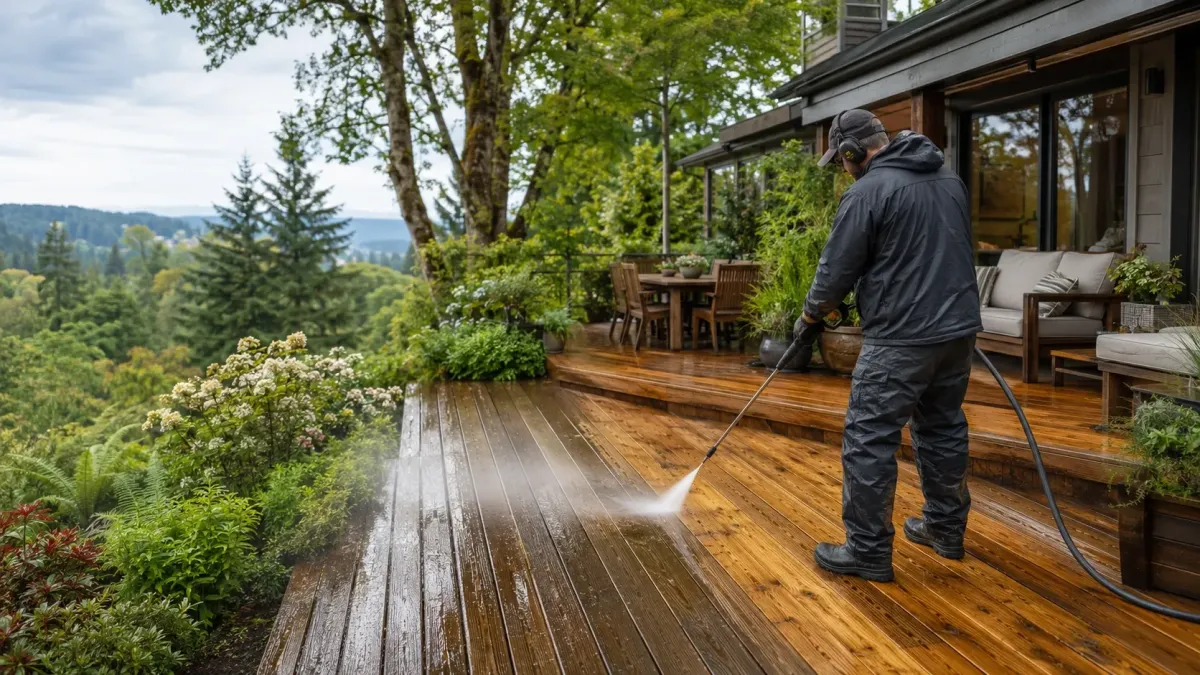
Deck and fence cleaning at a pressure the boards can actually take.
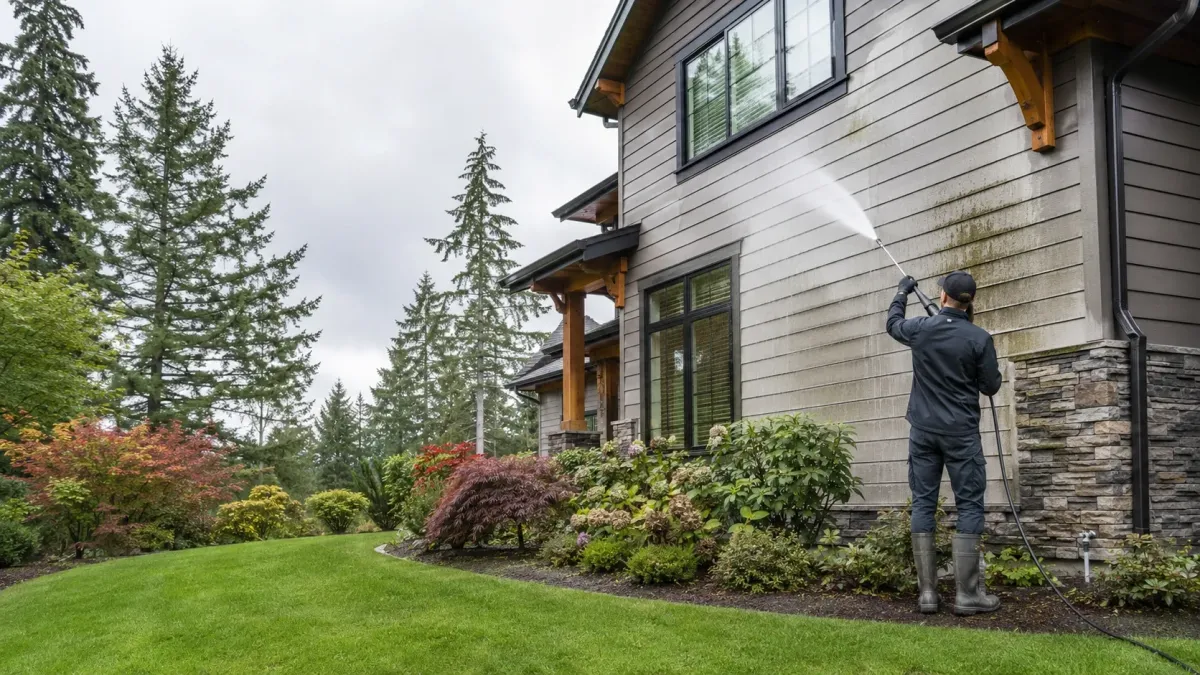
Whole-house exterior washing at low pressure, siding, trim, soffits and gutters outside.
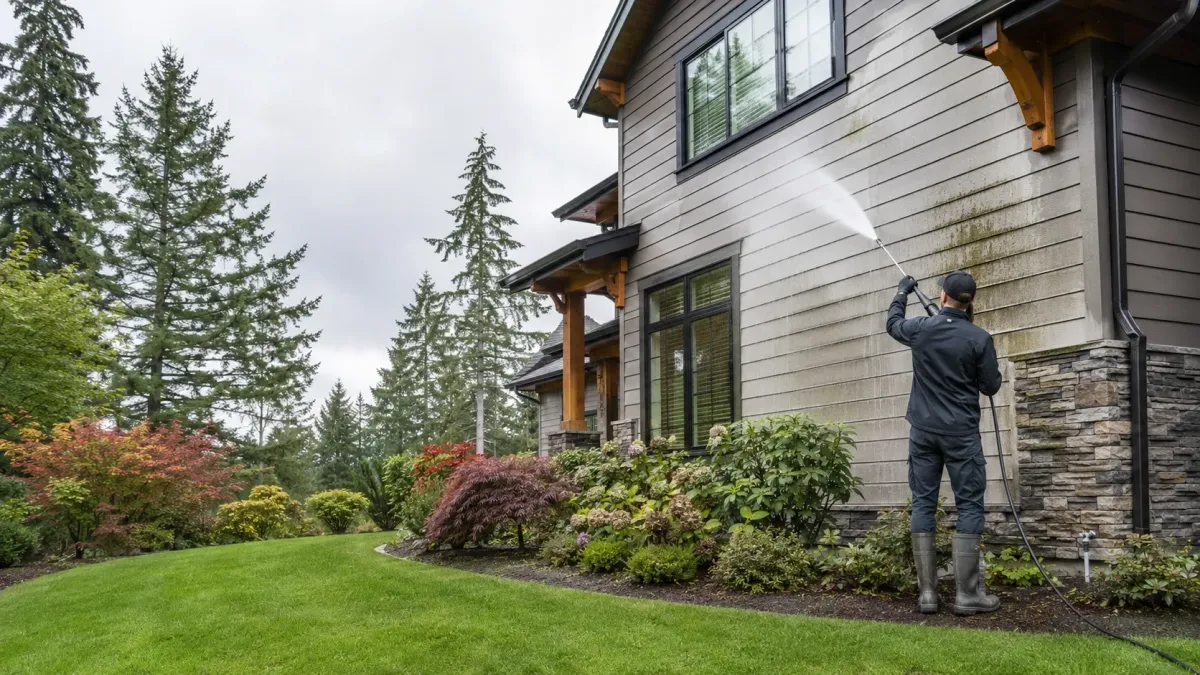
Low-pressure cleaning for surfaces that pressure would strip, mark or soak.
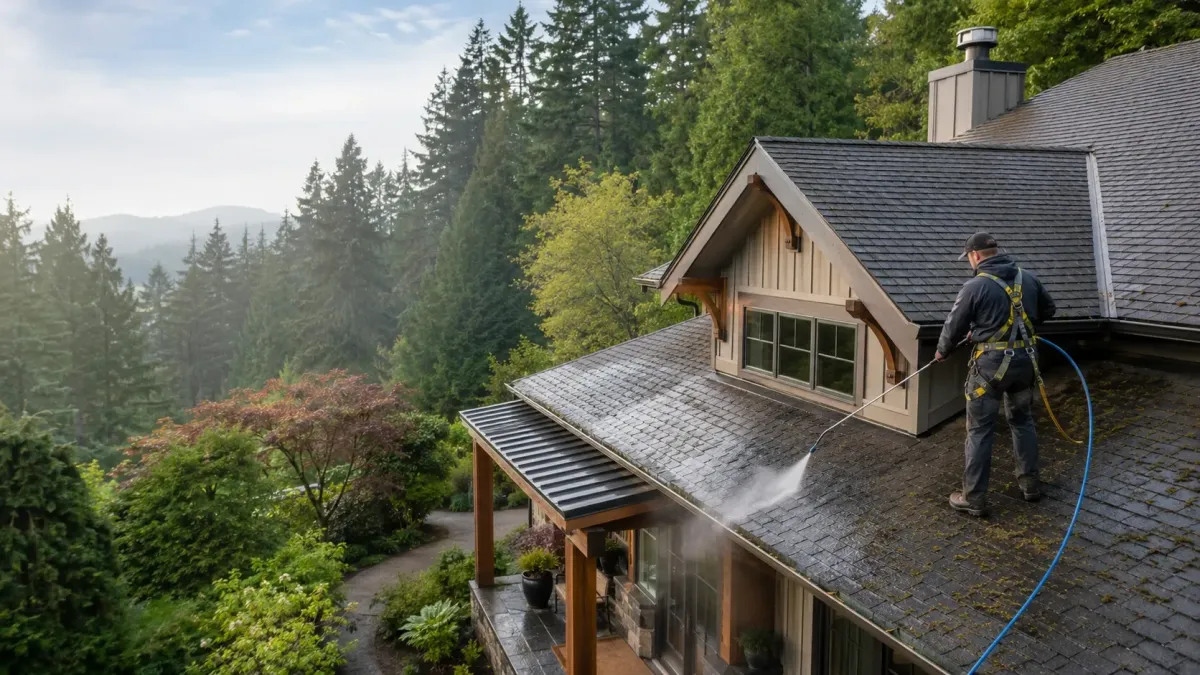
Low-pressure roof cleaning that clears growth without disturbing the shingle surface.
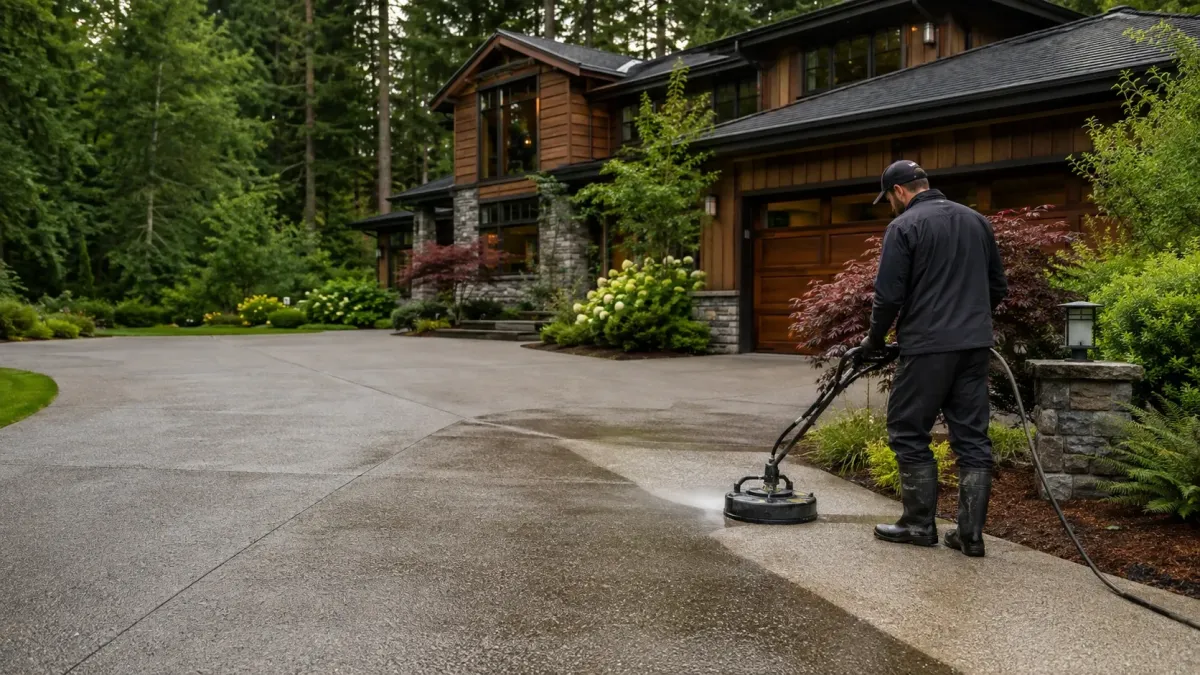
Whole-property exterior cleaning scoped and sequenced one surface at a time.
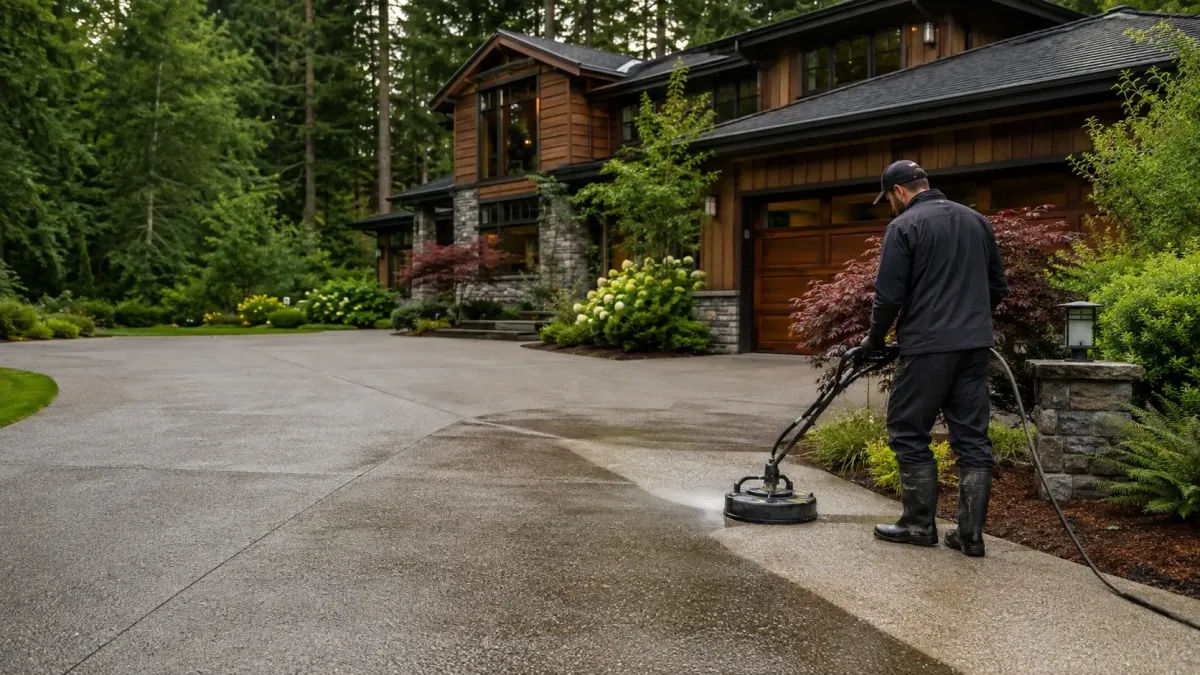
Even driveway cleaning without the striping a narrow wand tip leaves behind.
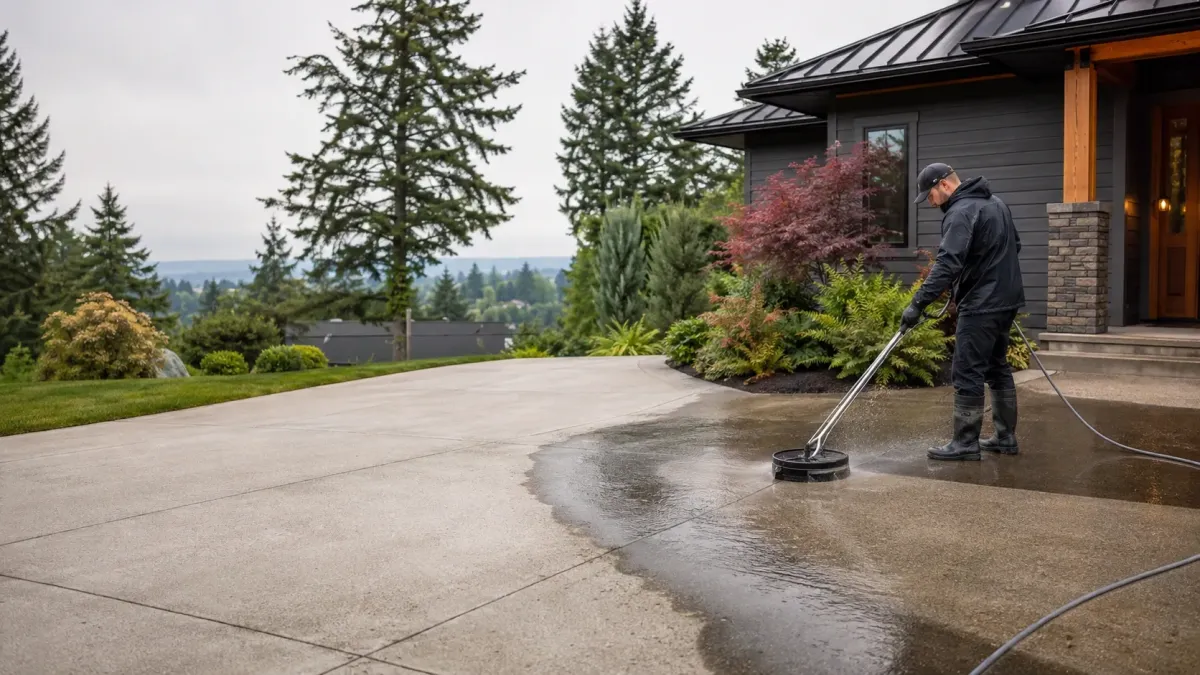
Concrete flatwork cleaned evenly, with staining treated rather than simply blasted.
Communities We Clean Beyond Gresham
Exterior cleaning for Gresham homes and storefronts, done from here
Our service area runs from the Sandy River west into Gresham and south toward the Clackamas County line. Each of these communities handles permits, water and stormwater differently, and several sit in conditions that change the work outright. Gorge wind drives grit onto hard surfaces in one direction; steep parcels change where wash water goes in another.
Frequently Asked Questions
Pressure Washing can be complex, and we’re here to provide answers to common questions. Here are some frequently asked questions from our clients.
Frequently Asked Questions about pressure washing gresham or
How much does pressure washing cost in Gresham, OR?
There is no single price, because the surface decides the job more than the square footage does. A flat concrete driveway cleaned with a surface cleaner and a two-storey siding wash that needs low pressure, a cleaning solution and ladder access are different amounts of work. Access matters too, since a fenced back patio takes longer to reach than a front walkway. We walk the property, quote by surface, and give you the number before anything gets scheduled.
Is soft washing or pressure washing better for Pacific Northwest siding?
Soft washing, in almost every case. Siding in this climate is dealing with algae and moss growth rather than baked-on dirt, and growth comes off chemically rather than mechanically. Direct pressure on lap siding drives water behind the boards and can strip paint on older trim. Low pressure with a cleaning solution removes the growth at the root, which is also why it stays clean longer.
What is the best month to pressure wash a house in Gresham?
Spring and early autumn, not midsummer. March through May clears the growth that built up over a wet winter, and September through October gets surfaces clean before the rain returns and gives moss something to sit in. Summer feels like the obvious window because it is dry, but by then the growth has had months to establish. Most properties here do best on two visits a year rather than one.
Will pressure washing damage old concrete or painted siding?
It can, and that is the whole reason the method gets decided before we start. Older concrete, particularly driveways poured decades ago with surface aggregate already exposed, will etch under a narrow-tip wand held too close. Painted siding and older wood trim will lift. We use a surface cleaner on flatwork so the pressure spreads evenly, and low pressure on anything painted or wooden.
How long does pressure washing last before moss comes back in Oregon?
It depends almost entirely on shade and drainage. A south-facing driveway in full sun can stay clean the better part of a year. The same concrete under fir canopy, or a north-facing wall that never dries out, will start greening again within a few months. Where a soft wash was used with a cleaning solution the growth takes noticeably longer to return, because the roots came off rather than just the surface.
Do you need a permit or wastewater containment to pressure wash a commercial property in Gresham?
Commercial work brings requirements that residential jobs usually do not, and they turn on where the wash water ends up. A lot draining to a storm inlet is treated differently from one draining to landscaping, and cleaning that lifts oil or paint residue changes what can be allowed to run off. We sort the containment and disposal question out with the property manager before the job is scheduled rather than on the morning of.
Frequently Asked Questions about Patio and Paver Cleaning
Will pressure washing wash the sand out of my paver joints?
It will if the wrong tool is used, and that is the single most common damage we get called out to correct. A narrow wand tip concentrated into a joint excavates the sand in seconds. A surface cleaner spreads the same pressure over a wide path and cleans the faces and joint tops without digging them out. If sand has already been lost the fix is refilling and locking the joints, not simply cleaning again.
Do the joints need refilling after every clean?
Not every time. It depends on how much sand was there to begin with and how much rain has moved through the patio since it was laid. We check the joint depth before we start and tell you then. A patio cleaned properly with full joints usually needs no refill; one that has been blasted previously almost always does.
Can you clean flagstone and natural stone patios?
Yes, at lower pressure than pavers or concrete. Natural stone varies enormously in hardness, and some of it will surface-erode under pressure that concrete would shrug off. There is also growth that has embedded into the stone rather than sitting on it, which comes out with a cleaning solution rather than force. We test a section out of sight before committing to a method.
Why does my patio go green again so quickly?
Shade and joints, in that order. A patio that sits under canopy or on the north side of the house never fully dries between rain, and the joints hold moisture longer than the paver faces do. If the previous clean took the growth off the faces but left the joints, the regrowth starts from there immediately. Clearing joints and faces together is what buys the extra season.
Book Patio Cleaning in Gresham
What Our Satisfied Clients Have to Say About
We pride ourselves on delivering great results and experiences for each client. Hear directly from home and business owners who’ve trusted us with their Pressure Washing needs.
The Trusted Pressure Washing Expert Near You
Ready to hear more about expert services at ?
Contact us today to receive a detailed, no-obligation quote.


